For nearly thirty years, Jennifer Aniston has carried one of the most recognizable images in television history. To many viewers, she is still Rachel Green—stylish, warm, and eternally relatable. That association has been both a gift and a constraint. But as Aniston continues to evolve professionally, a pressing question lingers in Hollywood: would audiences truly accept her without the Friends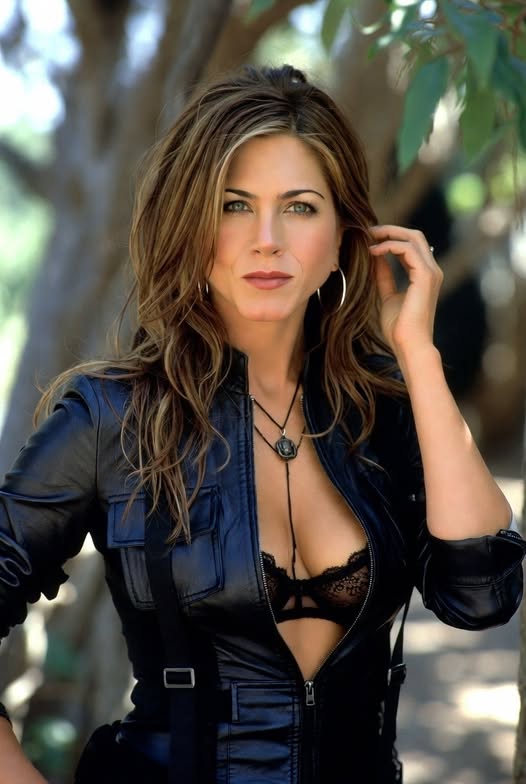 image?
The challenge is not a lack of talent, but the weight of nostalgia. Friends remains a global cultural touchstone, endlessly rewatched by multiple generations. For some fans, Aniston represents comfort and familiarity rather than transformation. Any attempt to strip away that image risks unsettling viewers who prefer her exactly as they remember her.
Yet recent trends suggest audiences may be more ready than expected. Modern viewers are increasingly drawn to complexity and realism, favoring flawed, emotionally layered characters over polished sitcom archetypes. Aniston’s more recent work has leaned into restraint and seriousness, allowing her to explore vulnerability, control, and internal conflict in ways that sharply contrast with her early persona. These performances hint at an actress deliberately distancing herself from easy likability.
Critically, Hollywood has begun to reward reinvention. Actors once trapped by iconic roles have successfully reshaped their public identities by taking calculated risks. If Aniston were to fully abandon the Friends framework—choosing roles that are colder, darker, or morally ambiguous—initial resistance would be inevitable. But resistance does not equal rejection. In many cases, it signals a shift in perception.
Ultimately, audience acceptance may depend less on who Jennifer Aniston was, and more on who she chooses to become. The cultural environment has changed, and so has she. If viewers are willing to let go of Rachel Green, they may discover a far more compelling figure beneath the nostalgia—one defined not by a past role, but by artistic intention and growth.