In a bombshell revelation that has reignited national fury over the January 7 fatal shooting of Renee Nicole Good, newly leaked investigative details suggest the 37-year-old mother of three made a frantic phone call moments before her death to a high-profile local political figure known for his vocal opposition to federal immigration enforcement. Sources familiar with the ongoing FBI probe claim the call was an attempt to invoke “backdoor protection”—a pattern of alleged prior incidents where Good reportedly used influential connections to evade scrutiny related to residency and community monitoring activities tied to anti-ICE activism.
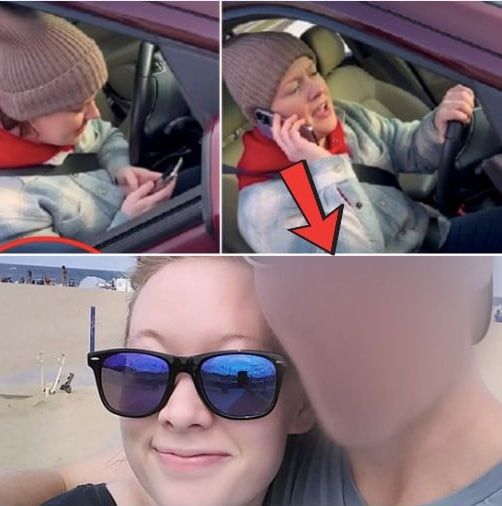
The powerful figure who allegedly refused to intervene? Minnesota Attorney General Keith Ellison, a prominent Democrat and longtime critic of ICE operations in the state. According to preliminary phone records reviewed by federal investigators, Good dialed Ellison’s office line at approximately 9:35 a.m.—just seconds after ICE agents approached her maroon Honda Pilot during “Operation Metro Surge.” The call lasted under 20 seconds before disconnecting without a response. Ellison’s office has not commented on the alleged contact, but sources say he was in a closed-door meeting at the time and did not take or return the call.
This development adds a explosive layer to an already polarized case. Federal officials, including those in the Department of Justice under Deputy Attorney General Todd Blanche, have portrayed Good not as an innocent bystander but as a repeat offender in obstructing immigration enforcement. Leaked documents allege Good had a history of “violating residency rules” in activist contexts—interpreted by some as participating in efforts to harbor or shield undocumented individuals during past ICE actions in Minneapolis. Though Good was a U.S. citizen with no criminal record beyond minor traffic violations, investigators claim she relied on informal networks of local officials and community leaders for protection during previous encounters.
One source close to the investigation told outlets that this wasn’t Good’s first brush with federal agents. “She had a pattern of showing up at raid sites, recording, and then vanishing before consequences stuck—always with someone pulling strings behind the scenes,” the source said on condition of anonymity. “This time, the strings snapped.”
The refusal from Ellison—whose office has pushed for limits on local cooperation with ICE—allegedly left Good in a desperate position. Witnesses and bodycam footage show her calmly telling Agent Jonathan Ross, “That’s fine, dude. I’m not mad at you,” before the situation escalated. Becca Good, her partner, urged her to “drive, baby, drive,” as agents attempted to open the door. Good reversed briefly, then accelerated away—actions federal officials label as an attempt to “run over” Ross in an act of “domestic terrorism.”
Ross, a 10-year ICE veteran and former Border Patrol agent, fired three shots through the windshield, killing Good instantly. The vehicle crashed into a parked car. Becca, drenched in blood, screamed, “They just shot my wife!” as chaos unfolded.
The DHS narrative insists Ross acted in self-defense, claiming Good weaponized her SUV. However, multiple independent video analyses—from The New York Times, Bellingcat, and others—contradict this, showing the vehicle maneuvering away from agents at low speed. Minneapolis Police Chief Brian O’Hara, in a 60 Minutes interview, questioned Ross’s positioning and tactics, saying he violated “basic steps” for vehicle approaches.
The alleged final call has fueled speculation of deeper entanglements. Good served on the board of her son’s school, which linked to documents encouraging parents to monitor ICE activities and attend training on non-cooperation. Federal probes now examine whether these ties constituted organized interference. Critics on the right, including commentators amplifying Gateway Pundit reports, portray Good as a “leftist activist” with a history of provocation.
Becca Good, through attorney Antonio Romanucci of Romanucci & Blandin (the firm that represented George Floyd’s family), has denied any criminal intent. “Renee was made of sunshine—a poet, a mother, an agent of peace,” Becca stated. “She stopped to support neighbors terrorized by raids. There was no ‘backdoor protection’—just kindness.” Romanucci called the new claims “politically motivated smears” and demanded evidence preservation for a civil suit.
The case has triggered resignations: Six Minnesota federal prosecutors quit over DOJ’s focus on probing Becca and Good’s family rather than Ross’s actions. No civil rights investigation into the shooting has opened, contrasting sharply with the rapid 2020 George Floyd probe.
Protests rage on in Minneapolis, with vigils honoring Good as a symbol of resistance. Governor Tim Walz proclaimed January 9 “Renee Good Day,” while artists and musicians dedicate works to her memory. Nationally, the incident highlights divisions over Trump’s immigration crackdown—thousands of agents deployed, multiple fatal encounters since September 2025.
Ellison’s alleged non-response raises questions: Did he know Good? Was the call a plea for intervention in a raid he publicly opposed? His office declined comment, citing the ongoing investigation.
As phone records and call logs surface, the narrative shifts from a simple traffic stop gone wrong to allegations of systemic favoritism, activist networks, and a denied lifeline that ended in tragedy. Federal officials vow to pursue obstruction charges if warranted, while Good’s family demands accountability for the shooting.
Renee’s legacy—once defined by kindness—now entangled in controversy. Was she a victim of overreach, or part of a pattern of resistance that crossed lines? The truth may lie in those final, unanswered seconds on the line.